Precisión GPT
Fabricación de Precisión



- Llámanos al
0755-23089686 - Envíenos un correo electrónico
sales@precisiontoolingchina.com - WhatsApp
13530516428
Tratamiento Superficial de Piezas de Torno (Componentes Torneados)
December 23, 2016
Tratamiento Superficial de Piezas de Torno (Componentes Torneados)
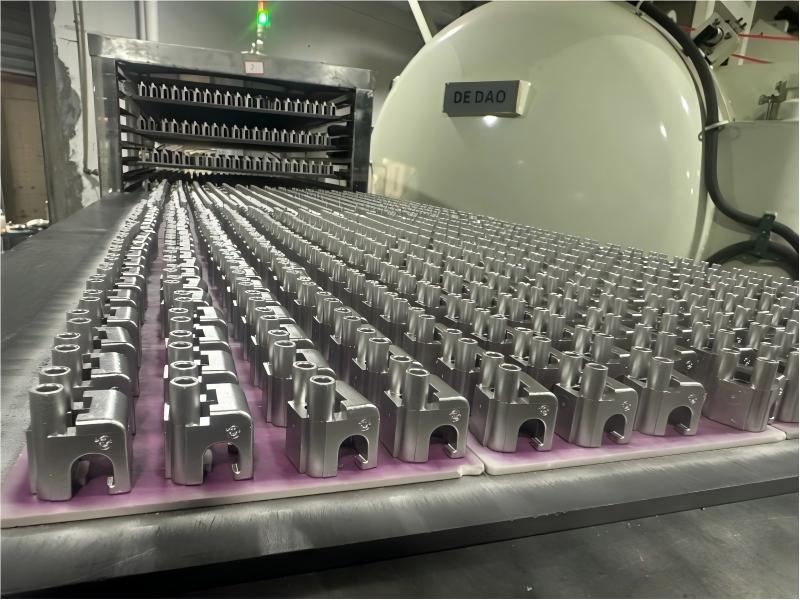
1. What is Surface Treatment?
Surface treatment—also known as surface finishing—is a broad category of industrial processes altered to modify the surface of a manufactured part. The goal is to achieve specific physical, chemical, or aesthetic properties, such as improving corrosion resistance, enhancing wear resistance, reducing friction, or achieving a desired visual appearance.
Almost all machining operations, including CNC turning, inherently leave a distinct surface texture or "machining marks" on the workpiece. While standard turning processes are highly optimized to ensure the initial finish meets basic functional requirements, they are often insufficient for high-precision or cosmetic applications. In these cases, secondary surface finishing processes are introduced.
Depending on the engineering requirements, these post-processing methods may include:
- Abrasive & Mechanical Finishing: Grinding, polishing, lapping, honing, and abrasive blasting (sandblasting).
- Thermal & Electrical Finishing: Electrical Discharge Machining (EDM) and laser texturing.
- Chemical Finishing: Chemical milling, industrial etching, and lithography.
2. Sandblasting: A Practical Post-Processing Solution
Sandblasting (often referred to more accurately as bead blasting when using glass media) is one of the most effective mechanical surface treatments for turned components. It is primarily used to eliminate visible tool marks left by the lathe cutter, leaving a perfectly uniform matte or satin finish.
How the Sandblasting Process Works
During the sandblasting process, a pressurized air gun forces fine abrasive media at high velocity against the surface of the machined part. As millions of microscopic particles strike the metal, they peen the surface, microscopic flattening the peaks and valleys left by the lathe tool.
The final texture can be precisely controlled by adjusting three key variables:
- 1)Media Type: Glass beads produce a smooth satin finish; aluminum oxide creates a rougher, non-reflective matte texture; steel shot is used for heavy-duty cleaning and strengthening.
- 2)Air Pressure: Higher PSI (pounds per square inch) increases the impact force, leading to a deeper texture.
- 3Distancia y ángulo de la boquilla: Controla la concentración y uniformidad del chorro abrasivo.
Ventajas clave del granallado de piezas torneadas
- Estética impecable: Cubre completamente las líneas circulares direccionales o marcas de herramientas en espiral típicas de las operaciones en torno.
- Excelente pretratamiento: La superficie texturizada aumenta el área superficial, proporcionando un "patrón de anclaje" ideal para que se adhieran recubrimientos posteriores como anodizado, pintura en polvo, o pintura.
- Alivio de tensiones: El impacto del medio de granallado introduce tensiones residuales de compresión en la superficie de la pieza, lo que puede mejorar ligeramente la resistencia a la fatiga.
3. Otros tratamientos superficiales comunes para piezas torneadas
Aunque el granallado es excelente para la textura, otras aplicaciones requieren propiedades químicas o electroquímicas diferentes. The table below outlines the most prevalent finishes paired with turned components:
| Process | Primary Purpose | Best Matched Materials |
|---|---|---|
| Anodizing (Type II / Type III) | Corrosion & wear resistance, color dyeing | Aluminum Alloys |
| Electropolishing | Ultra-smooth, mirror-like finish; cleanability | Stainless Steel |
| Passivation | Removes surface iron to maximize rust prevention | Stainless Steel |
| Black Oxide | Sleek black appearance, mild corrosion protection | Carbon Steel, Copper |
| Electroplating (Zinc/Nickel) | Enhanced conductivity, wear resistance, aesthetics | Steel, Brass, Copper |
Manufacturing Note: When designing lathe parts that require post-machining surface treatment (especially thick coatings like heavy anodizing or electroplating), engineers must factor in the plating thickness during the machining stage to ensure final dimensional tolerances are met.
Tal vez también te guste
 ¿Asistirá a la Feria de Riego de la Asociación de Riego??
Servicio
