Slender Geometry
Length-to-diameter ratio, minimum diameter and material rigidity are evaluated when selecting the machining process.


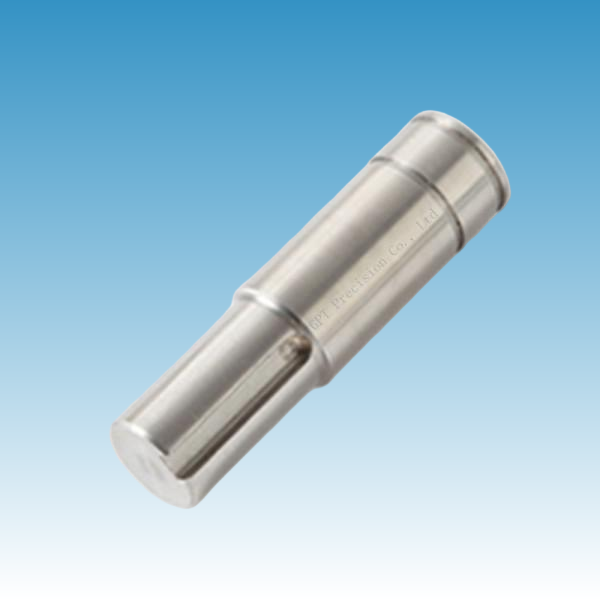
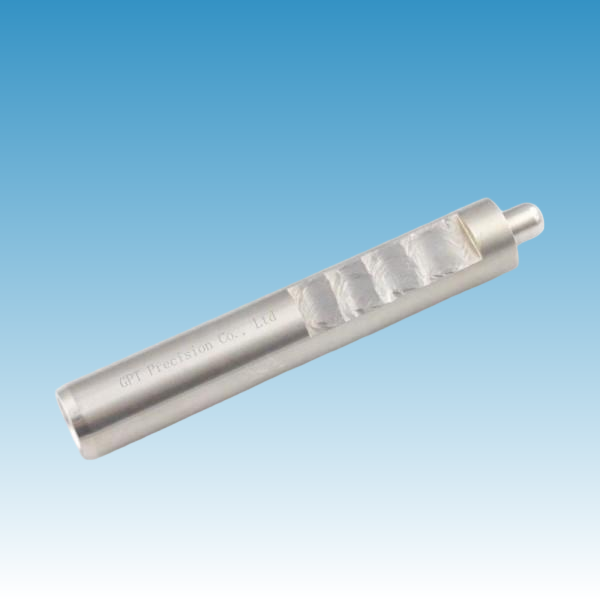
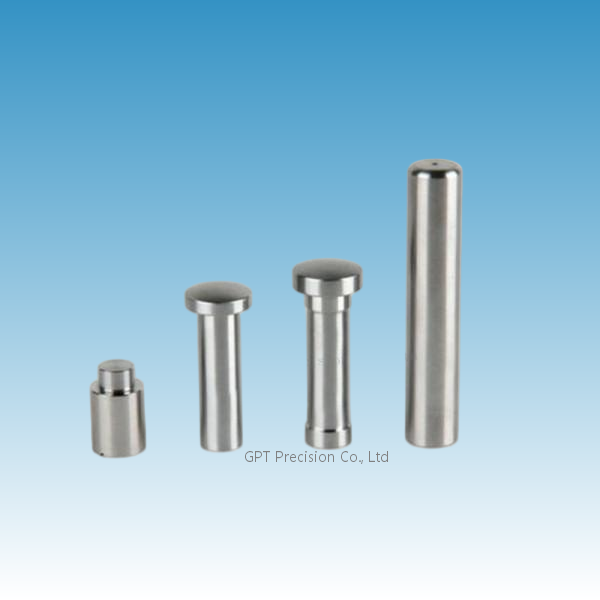
Precision slender shafts manufactured with attention to deflection, straightness and functional geometry.
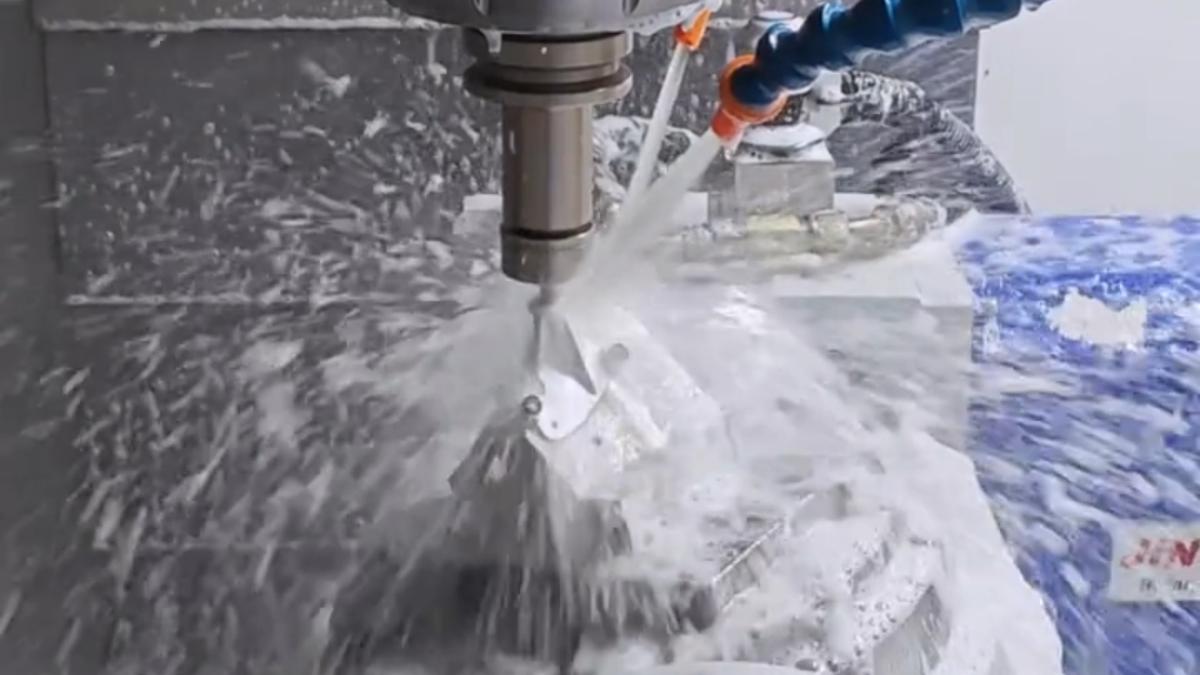
GPT Precision supports custom Swiss-type turned shafts for precision mechanisms, measuring instruments and compact mechanical assemblies. For suitable long, small-diameter components, guide-bushing-supported turning can provide a practical machining route while reducing unsupported cutting length.
Swiss-type CNC turning with secondary finishing where required
Stainless steel, steel, brass and specified alloys
Slender sections, diámetros escalonados, ranuras, roscas, ubicación de características
Diámetros críticos, straightness, desviación, surface condition
Length-to-diameter ratio, minimum diameter and material rigidity are evaluated when selecting the machining process.
Small shoulders, ranuras, threaded ends and stepped profiles can be machined according to tool accessibility and setup requirements.
Rectitud, runout and functional diameters are reviewed against the specified datum and measurement method.
| Factor | What to define | Why it matters |
|---|---|---|
| Unsupported length | Length, minimum diameter and section changes | Deflection and support planning |
| Condición del material | Grade, hardness and heat treatment | Machining behavior and stability |
| Feature access | Hombros, ranuras, end threads and spacing | Tooling and operation sequence |
| Rectitud / desviación | Datums and agreed measurement condition | Meaningful acceptance of slender parts |
Swiss-type machining is selected according to complete part geometry, not diameter alone.
Workholding, guide-bushing suitability, part handling and secondary finishing are considered in the manufacturing plan. Inspection accounts for the sensitivity of slender sections to deformation during measurement.
Straightness and runout acceptance depend on the agreed datum system, measurement procedure and handling requirements.
There is no universal limit. Feasibility depends on material, geometría, tooling and inspection method.
Sí, where secondary finishing is appropriate for the required geometry or surface condition.
The inspection method is selected according to shaft geometry, specified datums and tolerances.
Send the shaft drawing with smallest diameter, longitud total, condición del material, critical fits, straightness or runout requirements and quantity.