Miniature Geometry
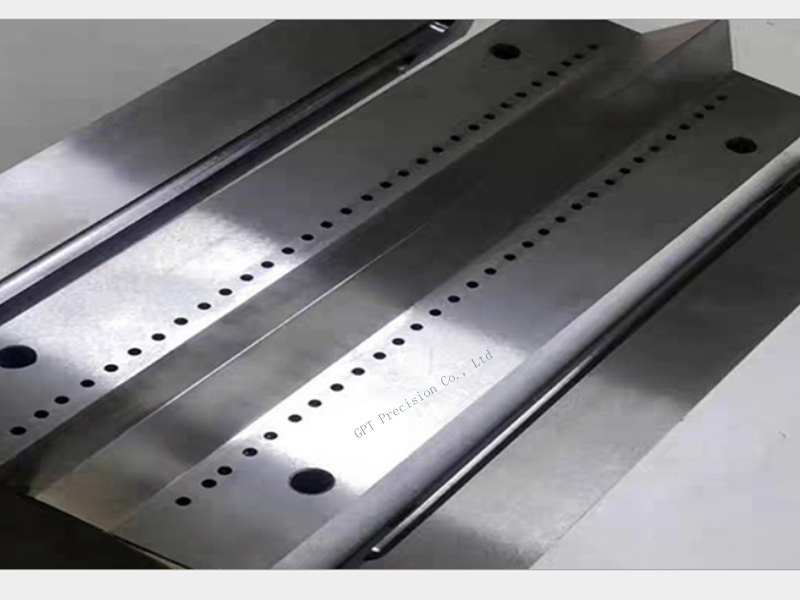
Small holes, channels, pockets and thin sections are reviewed according to minimum feature size and tool access.


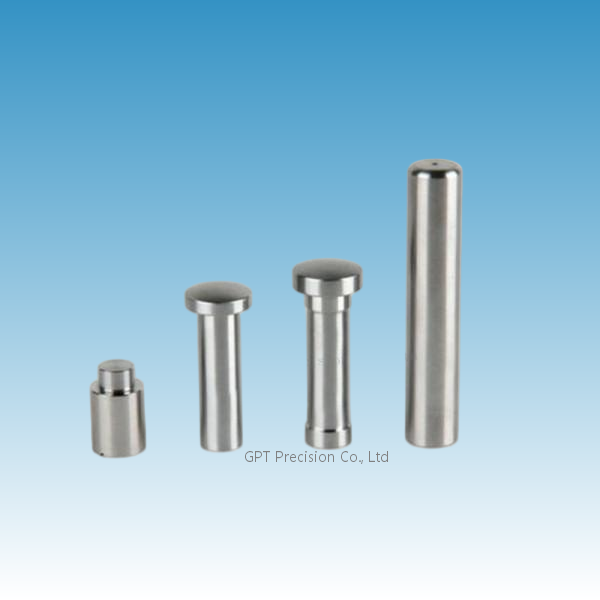
Small-scale precision components manufactured around critical features and measurement requirements.
GPT Precision supports custom micro-machined components for instruments, sensors, optical assemblies and miniature mechanical equipment. Our manufacturing approach considers feature size, aspect ratio, tool accessibility, material stability and the ability to inspect the finished component.
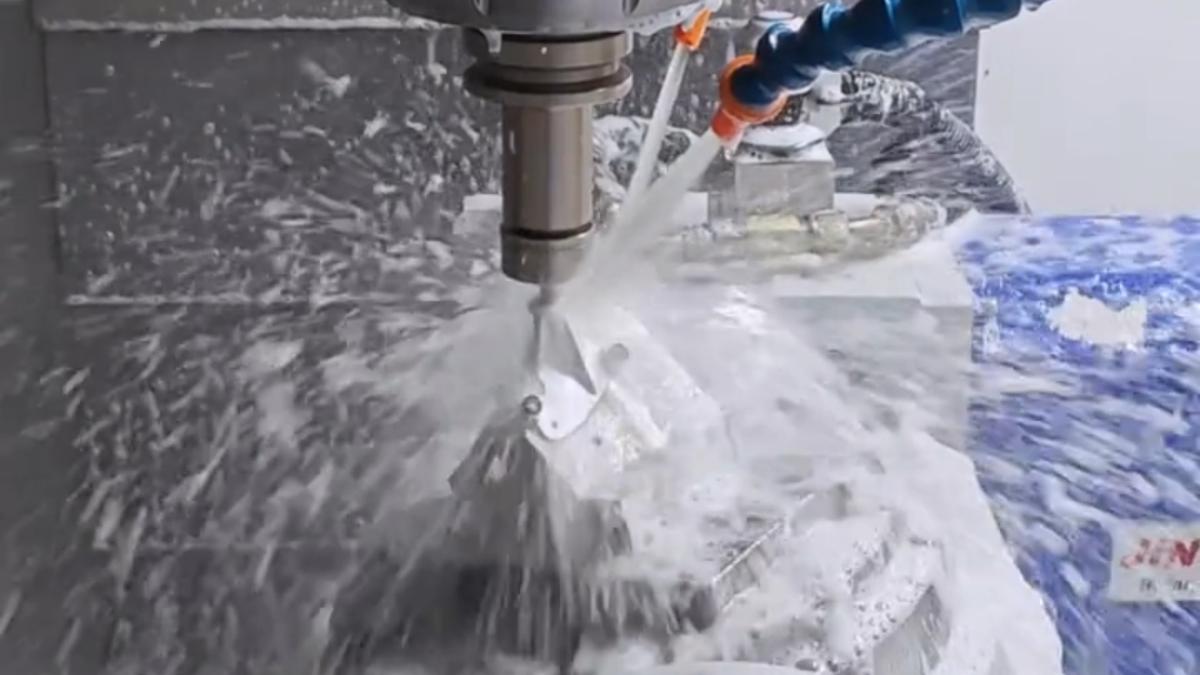
Micro milling, precision drilling and micro EDM where material and geometry are suitable
Stainless steel, brass, aluminum, engineering plastics and selected alloys
Small holes, miniature pockets, ranuras, channels, locating details
Optical measurement, microscopy or other methods appropriate to feature size
Small holes, channels, pockets and thin sections are reviewed according to minimum feature size and tool access.
Alignment features, locating surfaces and fastening details are manufactured around the functional requirements of compact assemblies.
Burr limits, delicate edges and specified surface conditions are considered during machining and inspection planning.
| Feature | Manufacturing review | Verification requirement |
|---|---|---|
| Small hole | Diameter, depth and aspect ratio | Agreed size and location method |
| Narrow slot | Tool access, corner radius and burrs | Width, position and edge limits |
| Thin wall | Clamping and deflection | Measurement condition and tolerance |
| Internal channel | Access, cleaning and finishing | Feasible inspection or separately agreed test |
Feature feasibility is evaluated individually. Very small geometry may require different machining or inspection methods depending on material, depth and aspect ratio.
Manufacturing capability and measurement capability are reviewed together to establish realistic acceptance requirements.
Minimum feature size, tolerance capability and inspection methods are confirmed for the actual component rather than guaranteed through a universal specification.
It depends on material, profundidad, geometría, tooling and verification requirements.
Suitable optical or contact measurement techniques are selected according to feature size and tolerance.
It can be reviewed where the material is conductive and the feature geometry suits EDM.
Send your CAD model and detailed feature drawing with material, minimum dimensions, aspect ratios, tolerancias críticas, burr limits and quantity.