Laser-Cut Features
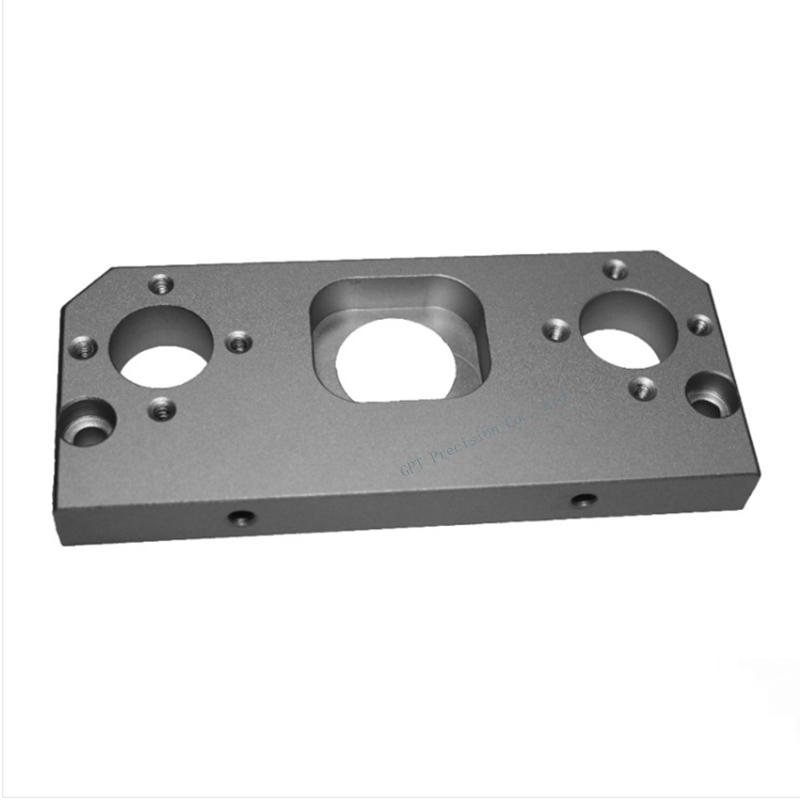
Mounting patterns, ranuras, reliefs and external contours are cut according to the approved flat pattern.


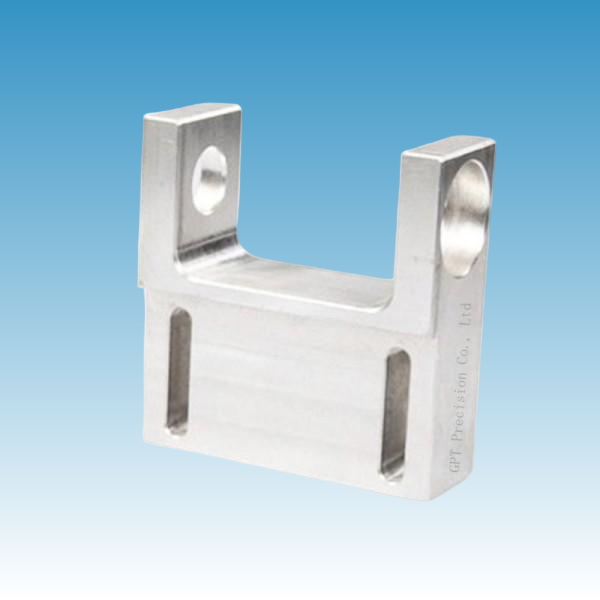
Custom formed sheet metal brackets with accurate cut profiles and controlled mounting geometry.
GPT Precision supports laser-cut and bent mounting brackets for industrial equipment, instruments and mechanical assemblies. This process is suitable for brackets formed from sheet stock with mounting holes, ranuras, flanges and profiles that can be produced efficiently through cutting and bending.
Laser cutting, plegado, desbarbado y acabado
Acero, Acero inoxidable, aluminum and galvanized steel
Cut profiles, formed flanges, ranuras, mounting holes, características de alivio
Finished bend angles, posiciones de los orificios, assembly dimensions
Mounting patterns, ranuras, reliefs and external contours are cut according to the approved flat pattern.
Inside radius, bend angle, flange length and hole-to-bend distance are reviewed for tooling access and material springback.
Fastener clearances, mounting faces and finished dimensions are evaluated against the intended assembly.
| Factor | Drawing input | Review purpose |
|---|---|---|
| Material | Grade, thickness and temper | Assess forming response |
| Bend | Inside radius and bend angle | Determine deformation zone and tooling |
| Hole location | Diameter, nearest-edge distance and datum | Assess distortion and clearance |
| Aceptación | Finished hole position, shape and tolerances | Confirm formed-part requirements |
Fabrication planning considers material thickness, forming direction, bend sequence and the required dimensions of the finished bracket.
Inspection focuses on formed geometry and critical mounting features rather than the flat pattern alone.
Where tighter fits are required, secondary machining may be evaluated.
Load-bearing performance and structural validation are based on customer-defined requirements unless separate engineering services are agreed.
Requirements are reviewed according to material, bend geometry and the possible need for secondary machining.
Espesor del material, radio de doblado, tooling and feature geometry.
CNC milling may be preferable for precision bores, multiple accurately related faces or features unsuitable for sheet metal forming.
Share the flat pattern, finished-part drawing, material, espesor, bend requirements, critical mounting dimensions, finish and quantity for your bracket enquiry.