Functional Diameters
Bearing seats and locating journals are manufactured according to specified fits and mating-part requirements.


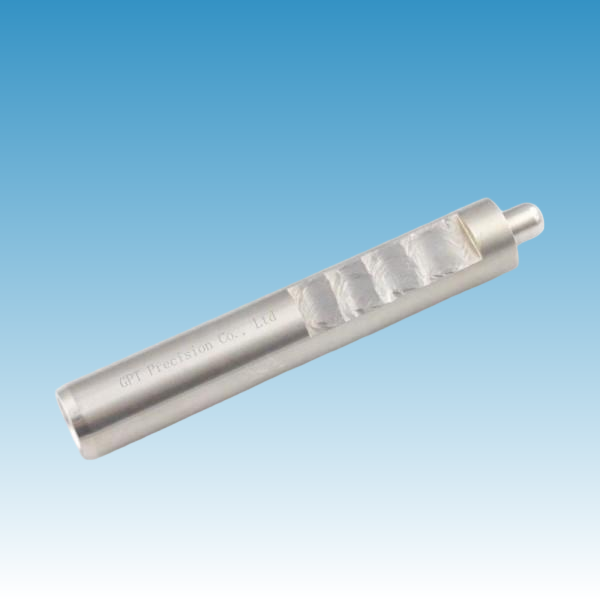
Custom turned shafts with controlled diameters, bearing interfaces and rotational geometry.
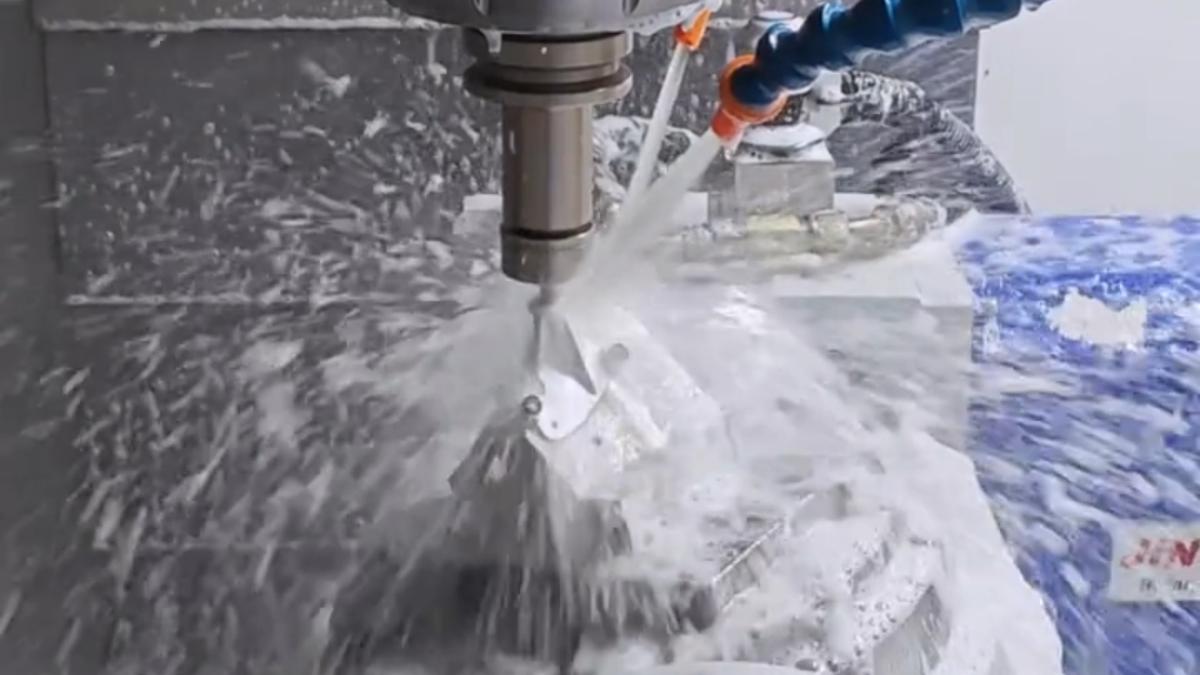
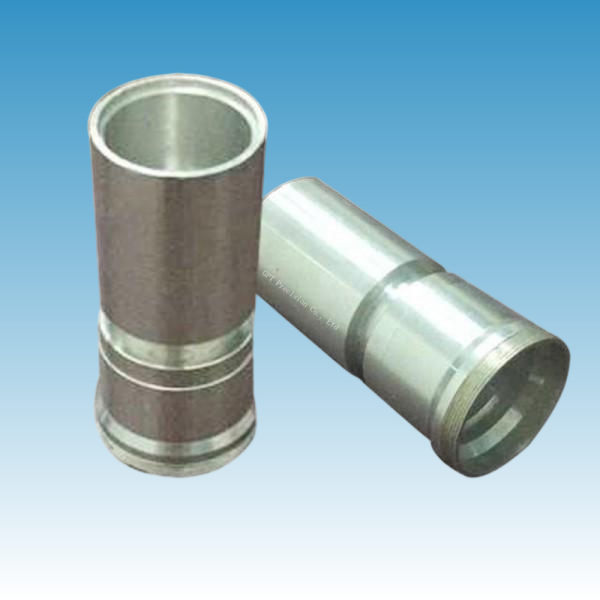
GPT Precision manufactures CNC-turned shafts for motion systems, mechanical equipment and precision assemblies. From stepped shafts and locating journals to threaded ends and bearing seats, our machining approach focuses on the dimensional relationships that determine fit and rotational alignment.
CNC turning, with milling or grinding where required
Steel, stainless steel, aluminum, brass and specified alloys
Stepped diameters, bearing journals, shoulders, grooves, threads
Critical diameters, runout, straightness, surface finish
Bearing seats and locating journals are manufactured according to specified fits and mating-part requirements.
Shoulders, grooves, end faces and threaded connections establish axial position and assembly interfaces.
Runout, straightness, cylindricity and surface finish are considered where required by the drawing.
| Stage | Consideration | Effect on Final Part |
|---|---|---|
| Rough turning | Machining allowance | Leaves stock for finishing |
| Heat treatment | Distortion / hardness change | May require correction |
| Semi-finish | Geometry preparation | Controls grinding allowance |
| Grinding | Final size / finish | Achieves tight tolerance |
| Coating | Build-up on diameters | May affect fits |
Material condition, length-to-diameter ratio, workholding and possible deflection are reviewed before machining.
Grinding, heat treatment or coating can be incorporated where specified and feasible. Their effects on final dimensions are considered during process planning.
Inspection methods are selected according to the functional datum axis and critical tolerances.
Final tolerances and surface conditions are confirmed against the complete manufacturing sequence, including any secondary processing.
Requirements are reviewed against the datum system, shaft geometry and measurement method.
Yes, where needed to achieve specified dimensions, geometry or surface finish.
It may introduce distortion or dimensional changes, which should be considered before final finishing.
Share the shaft drawing with material condition, critical fits, runout, surface requirements, heat treatment or coating details and quantity.