Airflow Passages
Cross-sectional changes, bends, branches and internal surface conditions are reviewed according to customer-defined geometry.


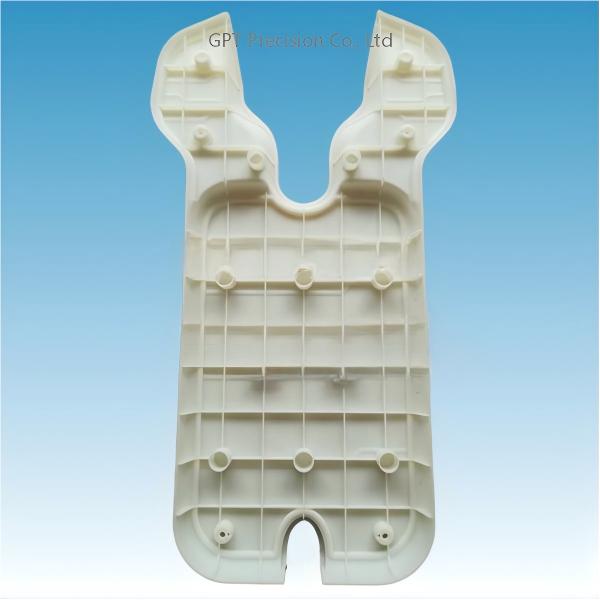
Custom environmental control system duct components manufactured around airflow geometry and installation interfaces.
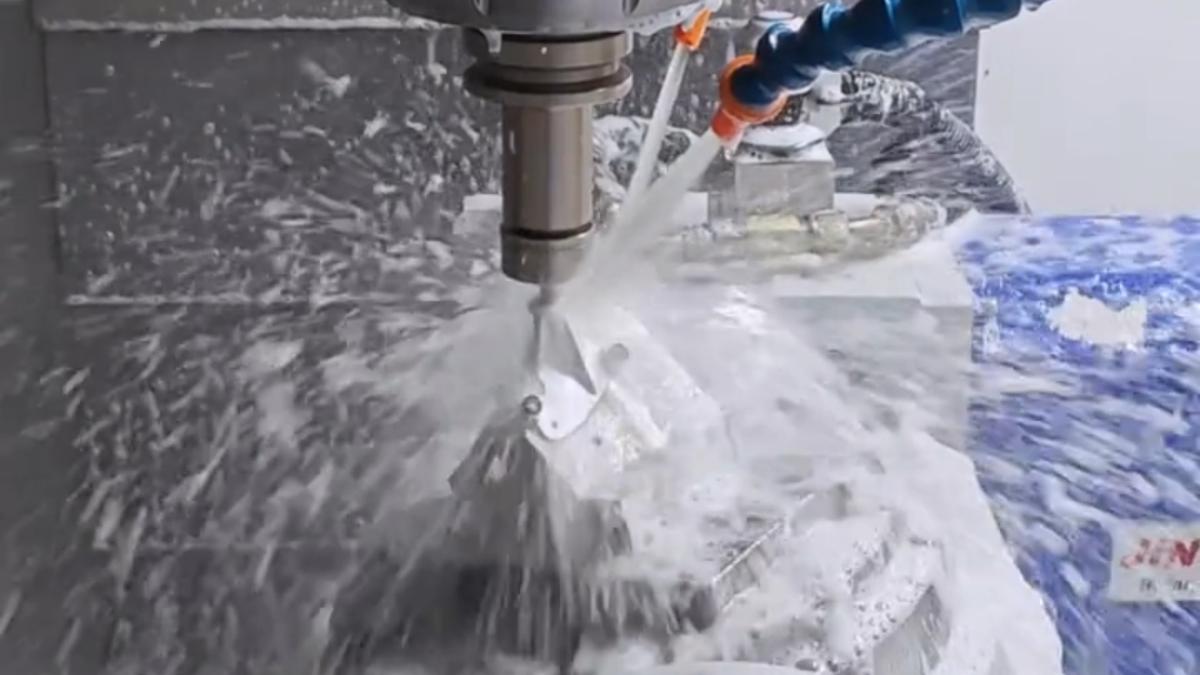
GPT Precision supports custom ECS duct component projects for equipment development, test rigs and selected engineering applications. Our manufacturing review considers internal passage geometry, connection features, material requirements and the most suitable production method for the specified component.
Polymer 3D printing, sheet metal fabrication or combined construction
Engineering plastics, aluminum and stainless steel as specified
Internal channels, branches, transitions, flanges, connection interfaces
Leakage, pressure drop and structural requirements subject to separate agreement
Cross-sectional changes, bends, branches and internal surface conditions are reviewed according to customer-defined geometry.
Flanges, sealing faces, mounting points and support features are manufactured to the specified mating requirements.
Available space, routing restrictions, assembly clearance and maintenance access are considered when selecting the manufacturing method.
| Consideration | What to Define | Why It Matters |
|---|---|---|
| Internal passage | Cross-section, bends, branches | Flow and cleanability |
| Powder removal access | Openings, drain paths | Additive manufacturing |
| Connection interface | Flange, seal, fastener | Installation fit |
| Leakage requirement | Method, limit | Separate testing |
| Pressure drop | Test conditions | Separate testing |
Process selection depends on part geometry, material, quantity and the accessibility of internal passages.
Complex ducts may require attention to powder removal, cleaning, joining, finishing or secondary machining.
Inspection focuses on approved geometry and dimensional interfaces. Any leakage or pressure-drop testing is separately defined.
These components are not supplied as FAA- or EASA-approved airworthy parts by default.
Airborne installation, material qualifications, flammability requirements, pressure cycling and other aviation-related verification require separately agreed project requirements and applicable approvals.
Suitable designs can be reviewed for additive manufacturing, fabrication or hybrid construction.
No. Airworthiness approval and related qualification requirements must be addressed separately.
Testing can be evaluated when the method, conditions, responsibility and acceptance limits are defined.
Send the duct model and drawing with material, intended application, operating conditions, connection details, quantity and testing requirements.