Turned Profiles
External diameters, shoulders, grooves, internal bores and threads are produced according to specified dimensional requirements.


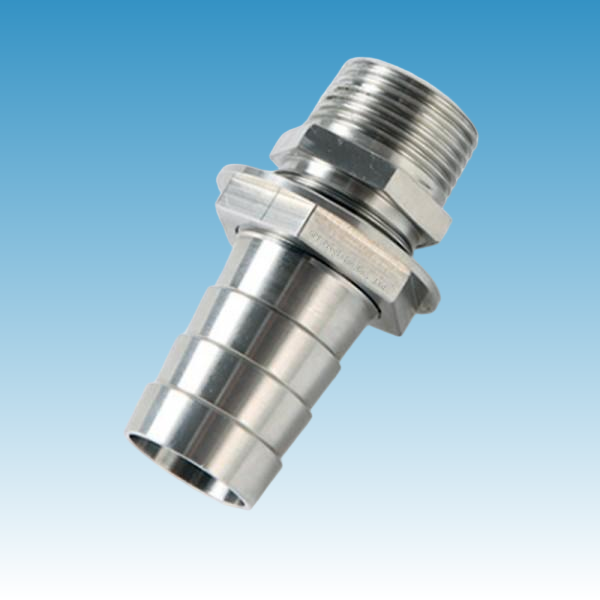
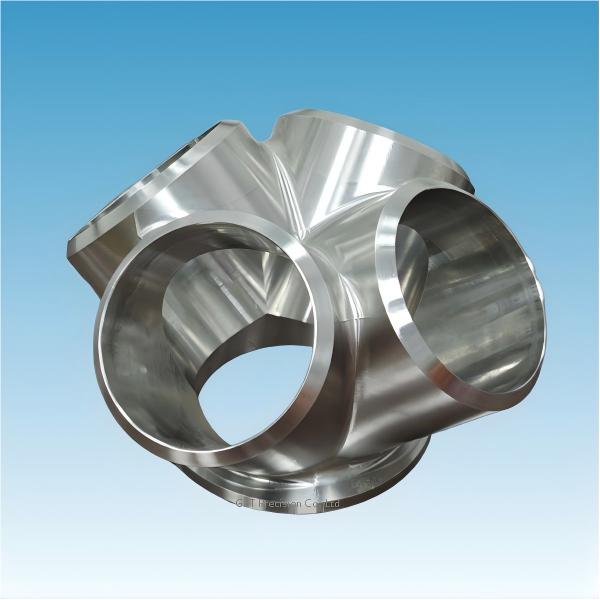
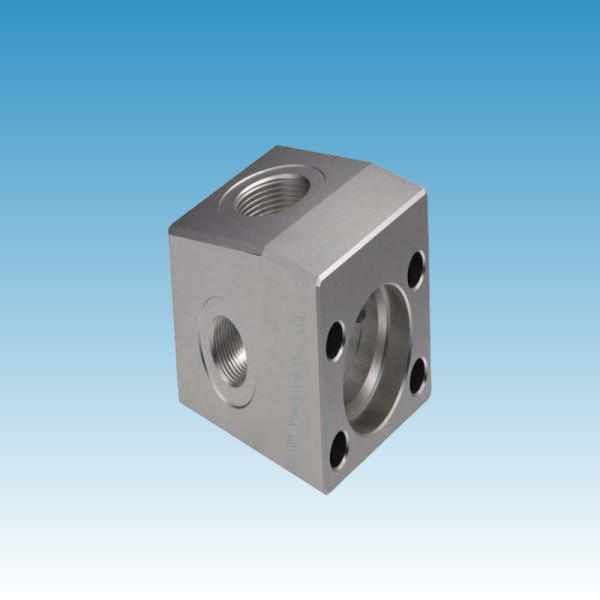
Precision connector bodies combining turned profiles with milled functional features.
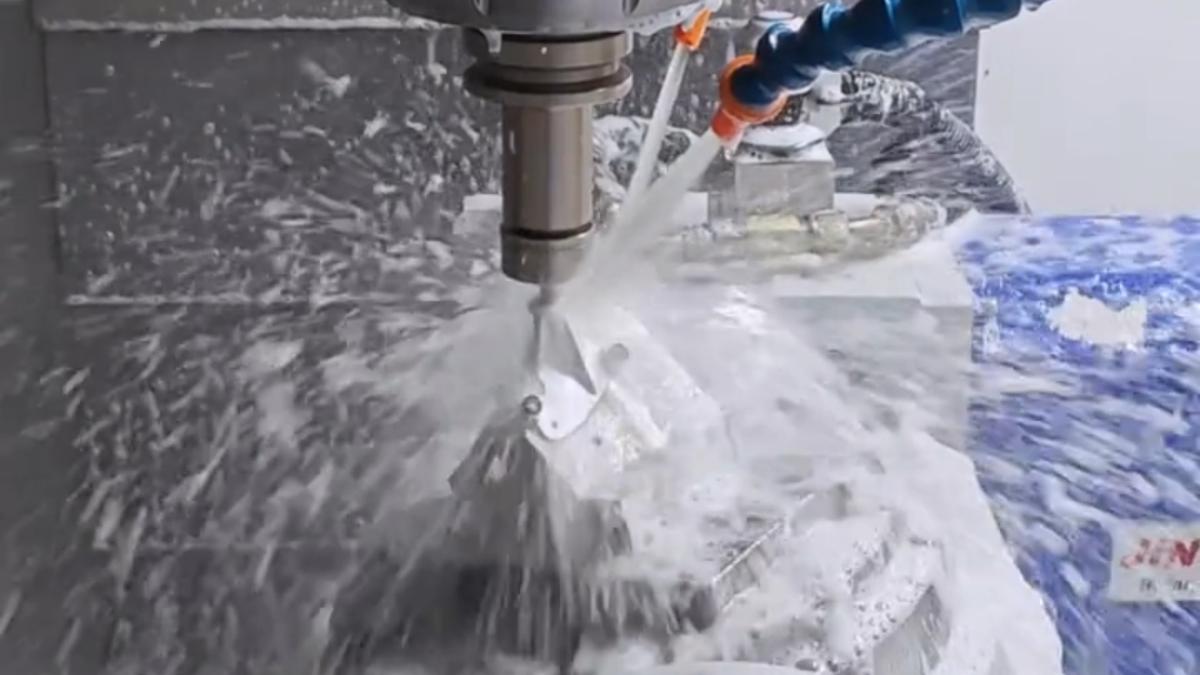
GPT Precision manufactures custom CNC turn-milled connector bodies for pneumatic systems, mechanical assemblies and equipment connections. Our machining capabilities cover threaded bodies, locating shoulders, internal bores, wrench flats, cross-holes and other features requiring both rotational and non-rotational machining.
CNC turning with live tooling or separate milling operations
Stainless steel, brass, aluminum and steel
Threads, bores, sealing faces, shoulders, orientation features
Thread geometry, critical diameters, bore dimensions, feature positions
External diameters, shoulders, grooves, internal bores and threads are produced according to specified dimensional requirements.
Wrench flats, transverse holes, slots and orientation details are machined relative to the component's functional datums.
Thread engagement, sealing surfaces and locating features are reviewed together to support the intended mating arrangement.
| Item | What to specify | Purpose |
|---|---|---|
| Thread designation | Standard, size, pitch and fit class | Mating compatibility |
| Engagement | Length and assembly requirements | Mechanical engagement |
| Sealing arrangement | Face seal, O-ring or thread sealing as designed | Separately defines sealing function |
| Orientation details | Wrench flats, ports and datum relationships | Assembly access and positioning |
Turning and milling may be combined in one setup where suitable, or completed through separate operations.
Inspection focuses on functional diameters, threads, sealing-face geometry and non-rotational features. Thread gauging and dimensional inspection are selected according to the drawing.
Pressure rating, leak tightness and fluid compatibility require application-specific specifications and, where necessary, separate testing.
Yes. The manufacturing route depends on geometry, quantity and available tooling access.
Provide the thread standard, size, pitch, tolerance class and engagement requirements.
Yes, when the drawing defines the relevant dimensions, finish and acceptance criteria.
Send the connector model and drawing with thread specification, material, sealing arrangement, critical tolerances and quantity. Include testing requirements where applicable.