GPT Precision
Precision Manufacturing



» Blog
Blog

A surface finish specification needs to connect the part’s function to a measurable result. “Black finish” may describe the appearance, but it does not define corrosion protection, electrical behavior, coating thickness, or the condition of a precision bore. Also distinguish surface texture from surface treatment. A roughness requirement describes a surface characteristic; anodizing, plating, passivation, and painting describe processing choices. …
A prototype can confirm that a design fits and performs in a particular test. Moving that part into repeat production requires a broader agreement: which revision will be made, which process will be used, how results will be checked, and what the customer will accept. Before increasing the order quantity, turn the lessons from prototyping into a controlled production package. …
A useful CNC material choice starts with the part’s job. A bracket that holds alignment, a shaft exposed to cleaning chemicals, and a sliding guide each create a different set of priorities. Start by defining those priorities before comparing material prices. The aim is to select a specific grade and condition that meets the design requirements and can be manufactured, …
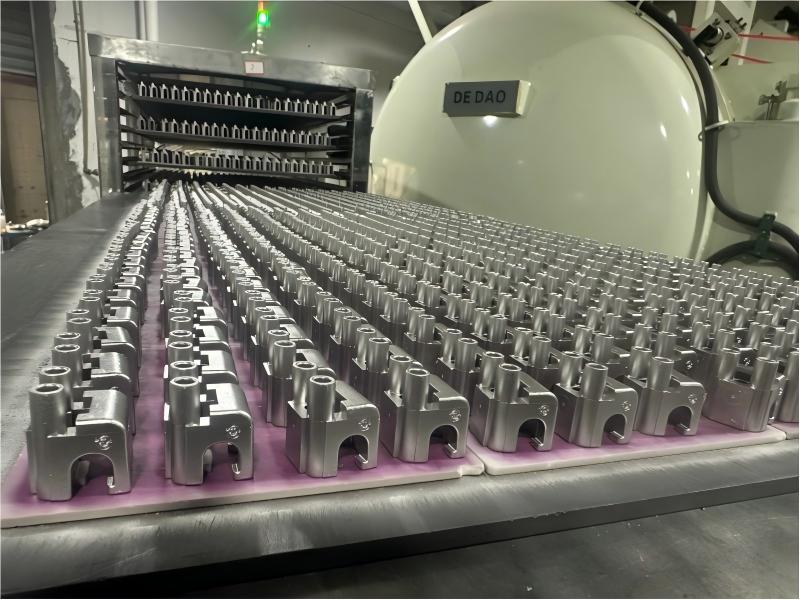 Surface Treatment of Lathe Parts (Turned Components)
 Are You Attending The Irrigation Association’s Irrigation Show?
Service
